Blog · why merchants use AI ecommerce video 2026
Why 2026 Merchants Use AI for Ecommerce Video and Product Video
Why Amazon, Shopify, and TikTok Shop sellers switched to AI ecommerce and product video in 2026 — industry conversion ranges (Wyzowl, Levitate), not AmazVid guarantees.
Updated 2026-08-27 · 14 min read · AmazVid Editorial
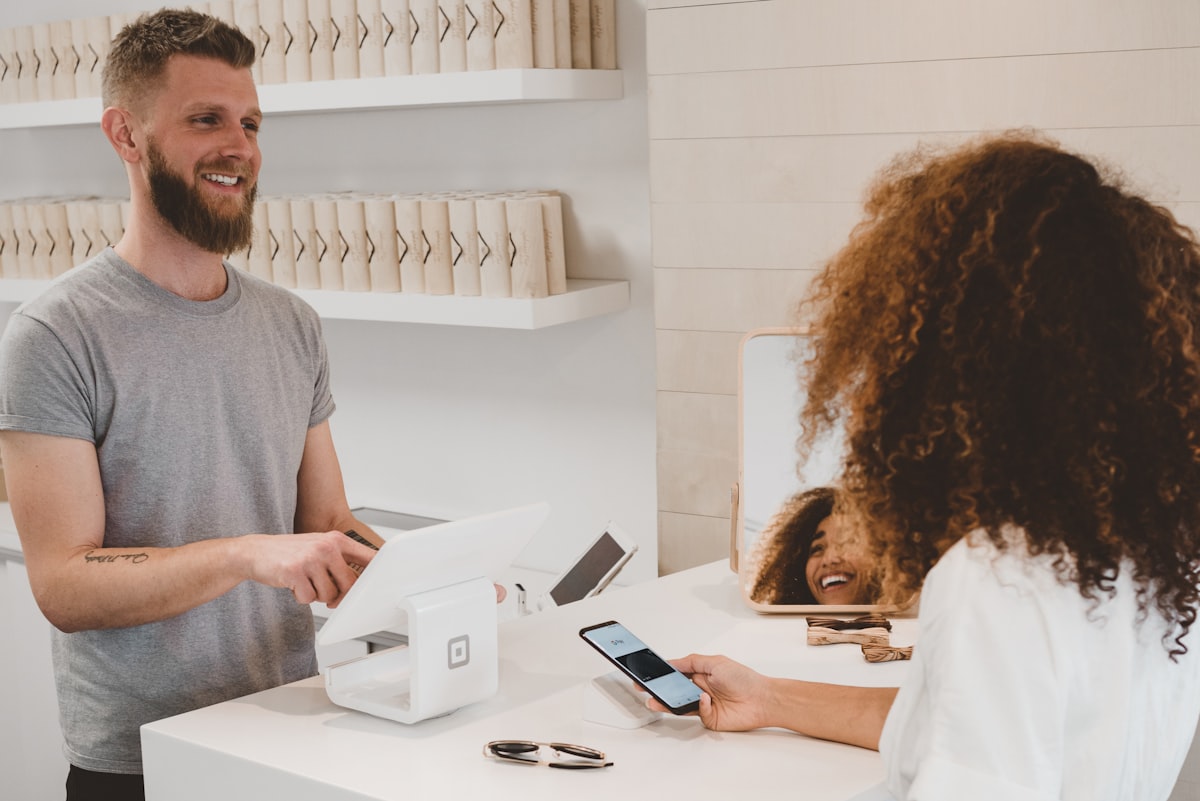
Why merchants use AI ecommerce video in 2026 is not a trend headline. It is an ops decision that became cheap enough to run on the whole catalogue.
Amazon FBA/FBM sellers, Shopify DTC brands, TikTok Shop operators, and agencies did not suddenly “believe in AI.” They hit three walls at once: shoppers already expect motion, studio video cannot refresh 200–5,000 SKUs, and image-to-video finally stopped inventing a fake product.
This piece is the *why* and the *how much* — with industry sources labeled. It is not an AmazVid case study.
Start here: Product shot · AI video PDP playbook · Cost savings · Pricing
Why 2026 — not 2023
Generic AI video existed for years. Merchants ignored it because the clip did not match the buy box. A cinematic bottle with a different cap creates returns and “item not as described” risk.
Four things changed by 2026:
- Image-to-video with identity lock. MiniMax-H3-class models animate the listing photo instead of dreaming a new SKU. Frame one can stay the packshot shoppers already trust. See text to video vs image to video.
- Marketplaces made video a default slot. Amazon gallery and Brand Story, Shopify theme autoplay, TikTok Shop listing media — the upload path is native. Specs: Amazon listing video requirements · Shopify PDP practices.
- Paid social creative fatigue. Static banners die in a week. Teams need a 9:16 refresh from the *same* still, not a new shoot. 9:16 product ad video.
- Catalogue math won. A half-day studio still costs thousands. AI Product shot is 2–3 credits. The cost savings guide runs the line items.
Related: wearable vs product vs ad creative — listing, try-on, and ads are three jobs, not one prompt.
How much conversion — industry ranges, not AmazVid %
Do not write an AmazVid-measured conversion number. We do not have a public A/B guarantee. What we *can* cite:
| Signal | Industry range | Source class | What it actually measures |
|---|---|---|---|
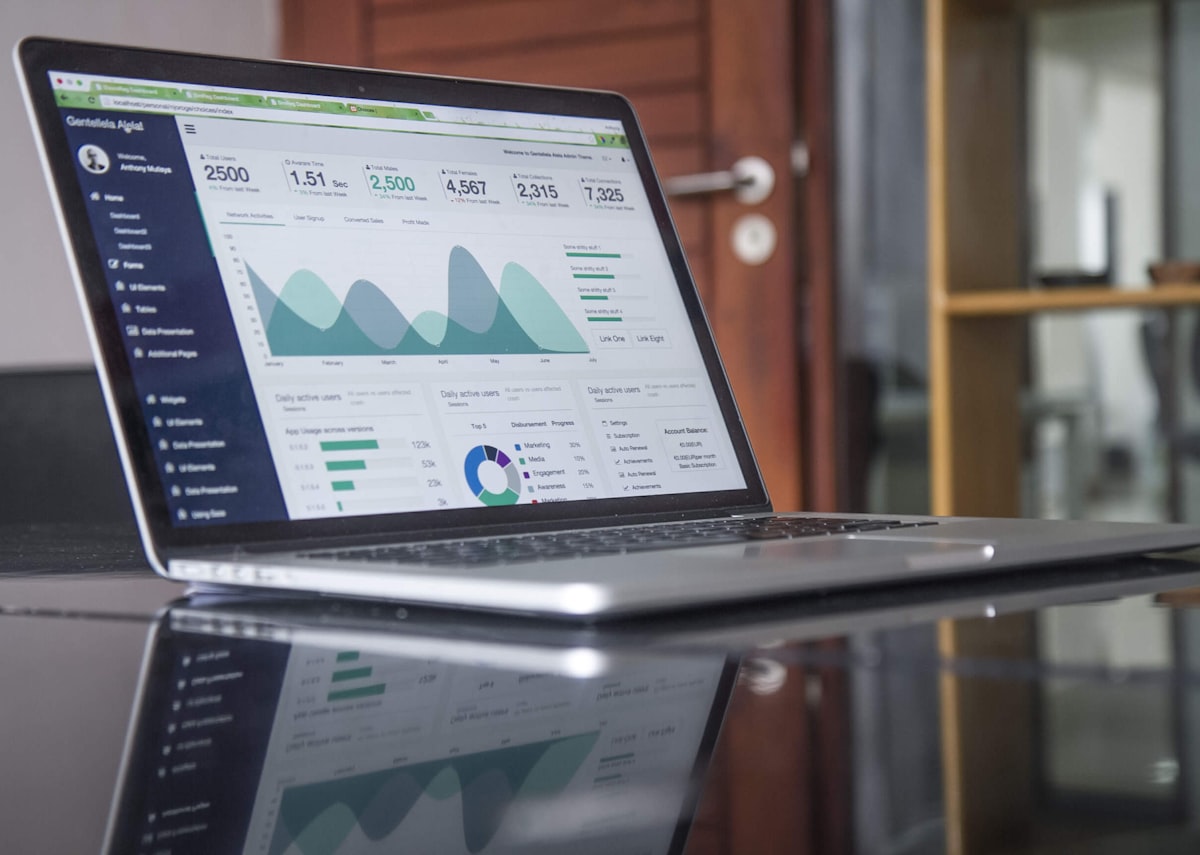
| Purchases vs stills-only PDP | +65% to +85% | Wyzowl and similar video-marketing reports | Shoppers more likely to buy after watching product video on the page |
| Add-to-cart peak | +144% | Levitate Media citations of video-vs-stills tests | Peak ATC, not a median promise |
| Conservative / typical / optimistic CVR lift | +40% / +65% / +85% | Same industry band used in AmazVid’s ROI helper | Directional planning, then your split test |
| Amazon listing talk-track | +30% to +100% | Seller-community / marketplace folklore around video listings | Treat as a band, not a contract |
| Stills-only vs with-video CVR (illustrative) | ~2.9% → ~4.8% | Benchmarks often paired with the 65% lift | Relative lift, not your category |
Worked example (industry estimate, not AmazVid GMV): a shop doing about $8,700/month at a 65% lift is looking at roughly $5,200 extra in the same month *if* that lift shows up on *their* SKUs. Beauty/home often sits higher in the band; cables and impulse SKUs sit lower. Run the ROI math on pricing.
What the percentages do *not* mean
- They do not mean Ad creative will beat your current Meta static CPA. That is a paid-social test. Product ad vs listing video.
- They do not mean a watermarked trial clip will rank. Amazon and Shopify usually reject watermarks. Clean export is $3 or Seller $29/mo.
- They do not survive a morph. If the AI changes the label, conversion can *fall*.
The mechanism is boring: video proves the SKU. Shoppers compare motion to the main image. First-frame lock keeps that comparison honest.
Why AI — not just “video”
Studio video already converts. Merchants still switched to AI because coverage beats one hero film.
| Constraint | Studio / creator | AI listing video (2026) |
|---|---|---|
| Cost per SKU | $200–$8,000 | Credits — Product shot 2–3, Ad 5, Wearable 6 |
| Refresh before Prime / BFCM | Queue a shoot | Same afternoon |
| Colourways / new packaging | Reshoot | Re-run from the new still |
| Silent marketplace spec | Editor pass | Default export |
| Identity vs buy box | Good if art-directed | Good if first-frame lock |
AmazVid trial is 4 credits (two 5s Product shots). MiniMax-H3. 768P or 2K (+1 credit). Failed platform retries should not double-charge.
→ Generate a listing-true clip
Where the lift actually shows up
Think in surfaces, not “video is good”:
| Surface | Job | AmazVid mode | Conversion logic |
|---|---|---|---|
| Amazon gallery / A+ | Proof | Product shot | Wyzowl-class PDP purchase lift |
| Shopify / DTC PDP | Mute autoplay | Product shot | Time-on-page + ATC |
| Fashion on-body | Fit / drape | Wearable | Complements packshot; does not replace it |
| Meta / TikTok / Reels | Stop the scroll | Ad creative | Separate CPA test |
| TikTok Shop listing | Policy-safe master | Product shot, then captions in CapCut | Compliance first |
Playbooks: how to make Amazon product videos · batch catalogue · TikTok Shop requirements.

Why some AI tools still fail merchants
Sellers tried playground models and bounced. The clip looked expensive and failed listing QA.
If you are comparing 2026 tools, split the job:
- Listing-true motion: AmazVid Product shot
- Scored static banners: AmazVid vs AdCreative.ai
- Cinematic camera playgrounds: AmazVid vs Higgsfield
- Talking avatars: AmazVid vs HeyGen
- Template marketing videos: AmazVid vs InVideo
Generic “best AI video generator” lists optimise for wow. Marketplaces optimise for trust.
One-week rollout
- Pull ten live ASINs or Shopify handles.
- Product shot 5s from the exact hero still.
- QA pause frames: logo, colour, extra accessories.
- Upload silent MP4 to gallery / first media slot.
- Hold ads. Measure PDP CVR for 14 days.
- Only then run Ad creative 9:16 on winners.
Credits: Product 2 (5s) / 3 (10s) · Ad 5 · Wearable 6 · +1 for 2K. Credits calculator.
Bottom line
Merchants use AI ecommerce and product video in 2026 because the conversion case for video was already published (Wyzowl, Levitate Media) and the production case finally closed. Studio still wins hero campaigns. AI wins the other 90% of SKUs.
Industry lift is 65%–85% purchases vs stills in commonly cited reports — not an AmazVid guarantee. Test it on your catalogue.
→ Amazon sellers · Shopify DTC · Cost savings · 4 free credits
Team & job landings
Solutions by team · use cases by job — open the hub that matches how you ship.
Frequently asked questions
Why did sellers wait until 2026 to use AI product video?
Earlier text-to-video invented new packaging. Image-to-video with first-frame lock (MiniMax-H3 class) finally keeps the ASIN honest, so gallery uploads stop failing QA.
How much conversion does product video add?
Industry range often cited: 65%–85% higher purchases vs stills (Wyzowl and similar reports); add-to-cart peaks around +144% (Levitate Media). Amazon seller talk often quotes 30–100% listing lift. Category varies. These are not AmazVid A/B results.
Is that AmazVid’s conversion rate?
No. AmazVid does not publish a measured conversion percentage. We cite Wyzowl / Levitate-class industry data and tell you to split-test.
Does AI video help paid social the same way?
Not automatically. Listing video lifts PDP trust. Ad creative fights feed fatigue. Test 9:16 separately. See product ad vs listing video.
How do I start without a studio?
4 free credits on AmazVid (two 5s Product shots). Trial has a watermark; clean export is $3 or Seller $29/mo. Paste an Amazon or Shopify URL.
Related guides
- AmazVid homepage — AI product video generator
- AI Product Video Cost Savings in 2026
- AI Video PDP: Video-First Product Pages in 2026
- Cost of Studio Model vs AI Try-On
- Product Ad Video vs Listing Video
- Wearable vs Product vs Ad Creative
- Make Product Videos for Amazon
- Shopify Product Video Best Practices
- Batch Product Videos for Ecommerce
- AmazVid vs AdCreative.ai: Listing-True Video vs Design Agent
- AmazVid vs Higgsfield: Listing-True Video vs Design Agent
- AmazVid vs HeyGen: Listing-True Video vs Design Agent
- AmazVid vs InVideo: Listing-True Video vs Design Agent
- AmazVid use cases — job playbooks
- AmazVid pricing
Sources
Ready to generate product video?
Paste a product link, lock the first frame, export silent 1080p — 2 free credits. No prompts required.