Blog · UGC-style try-on without creators
UGC-Style Try-On Without Creators: Authentic Social Clips From SKU Stills
UGC-style try-on without creators: ship authentic-feeling fashion and eyewear clips for Meta and TikTok using AmazVid Wearable and Ad creative — brand safety, credits, vs real UGC, and weekly workflows.
Updated 2026-08-09 · 18 min read · AmazVid Editorial
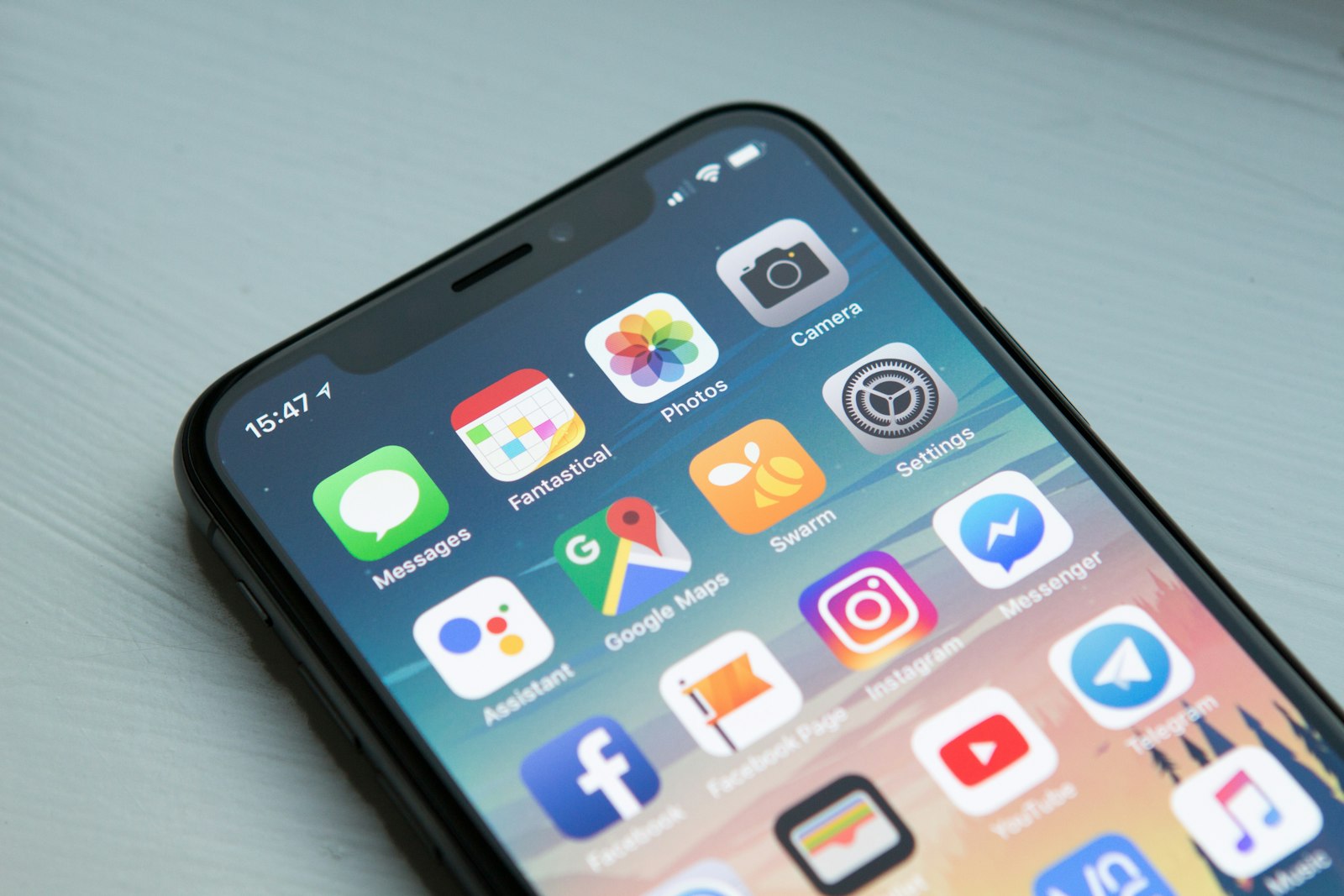
UGC-style try-on without creators is what fashion and eyewear teams search for when TikTok demands fresh faces every week but creator retainers, usage rights, and reshoot cycles eat the margin. You still need clips that feel like someone tried the SKU on — not a sterile packshot orbit. In 2026 that does not always mean hiring an influencer.
This guide shows how to ship authentic-feeling try-on and social clips with AmazVid Wearable try-on and Ad creative — without creator contracts — while staying brand-safe on Meta and TikTok. You will get mode routing, credit math, QA gates, honest comparison vs real UGC, and a weekly cadence you can run from one product URL.
Related hubs: Wearable vs Product vs Ad creative · AI wearable try-on product video · cost of studio model vs AI try-on · Wearable mode · Ad creative mode · pricing.
What shoppers mean by "UGC-style try-on"
When merchants type UGC-style try-on without creators, AI UGC try-on video, or try-on video without influencers, they usually want three things at once:
- On-body proof — the dress, sneaker, or frames on a person, not a ghost mannequin
- Native social pacing — 9:16, quick cuts, caption-friendly silence in the master
- Volume — enough variants to feed Meta and TikTok without a casting calendar
Real UGC creators deliver personality. They also deliver invoices, revision threads, and rights paperwork. AI UGC try-on — when done with listing-true stills and strict QA — fills the gap between "no video" and "full creator roster."
AmazVid does not pretend to be a TikTok personality. It gives you silent MP4 assets you can caption, voice-over, and test like any other creative — with SKU identity locked via Wearable Ref2VA or first-frame Ad creative discipline. Engine context: Seedance 2.5 · MiniMax H3 product video · MiniMax H3 Ref2VA for ecommerce.
The two-mode stack for UGC-feeling clips
Do not run one generic "AI video" button. Route by job — full matrix in Wearable vs Product vs Ad creative.
| Job | Mode | UGC note |
|---|---|---|
| Mirror-style on-body proof | Wearable try-on | Model wears the exact SKU — feels like a try-on clip |
| Scroll-stopping paid hook | Ad creative | 10s vertical cinematic energy from the same still |
| PDP / landing trust | Product shot | Too clean for UGC — essential for conversion after the click |
Wearable answers "how does it look on someone?" Ad creative answers "will they stop scrolling?" Together they replace a large slice of creator try-on volume — not the human voice-over testimonial, but the visual try-on loop that drives fashion consideration.
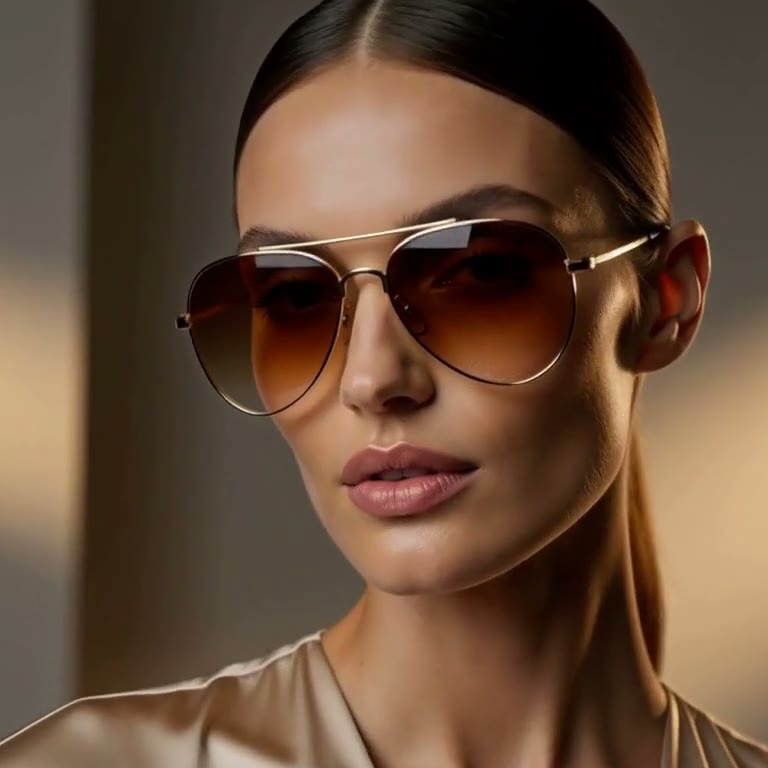
Eyewear-specific: AI sunglasses eyewear try-on video. Apparel: apparel try-on AI for Shopify. Footwear: footwear try-on without model casting.
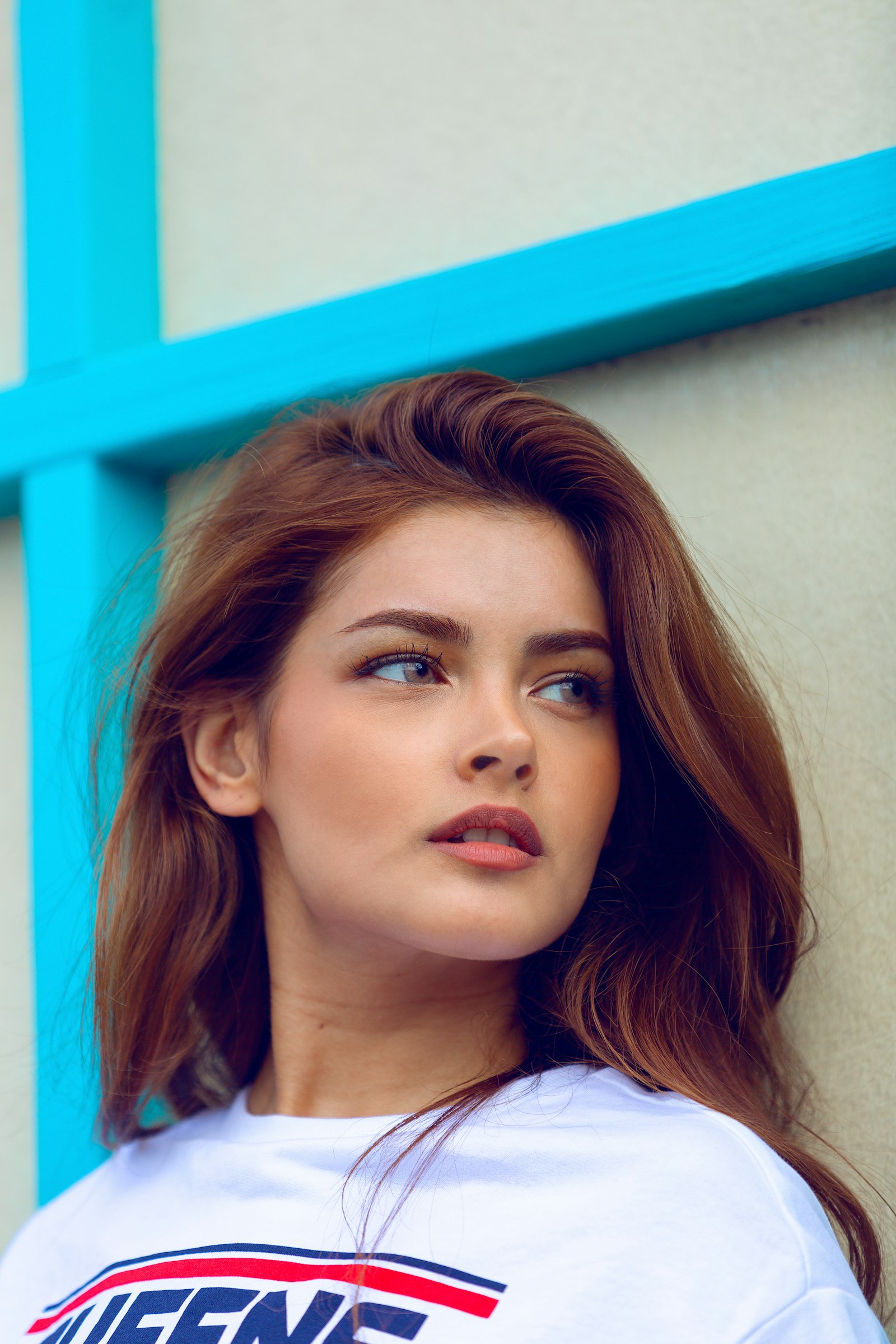
Why brands are shifting try-on off the creator roster
Speed vs launch calendar
A seasonal drop with twelve colourways cannot wait two weeks for creator shipping, filming, and edits. UGC-style try-on without creators lets you render Wearable loops the same afternoon you publish the PDP — then swap in human creators for hero SKUs only.
SKU fidelity
Creators improvise. Sometimes they grab the wrong colourway from the PR box. AI try-on starts from the listing hero — when QA passes, the bridge, sole, or hem matches the buy box. Compare economics in cost of studio model vs AI try-on.
Rights and whack-a-mole
Creator contracts expire. Whitelisting fees stack. AI-generated clips you own outright simplify asset libraries — still subject to platform disclosure rules and honest product representation.
Creative testing velocity
Meta and TikTok reward creative diversity, not one perfect film. Four Ad creative hooks plus two Wearable loops from one SKU beats negotiating a creator reshoot for a new opening frame.
Brand safety: what to get right before you spend
"UGC-style" is not permission to mislead. Treat AI try-on like any other ad asset:
SKU honesty. Every frame should match the product shoppers can buy. Reject renders with drifted logos, wrong lens tint, or invented packaging — same bar as silent product video no watermark PDP discipline.
Synthetic media disclosure. Meta, TikTok, and regional regulators evolve fast. If a platform requires labelling AI-generated people or scenes, comply. When in doubt, check Meta advertising policies and TikTok Business guidance before scaling spend.
No fake testimonials. UGC style means visual native energy — not fabricated "I love this brand" quotes from synthetic faces unless your legal team clears that creative pattern.
Demographic alignment. Use optional model references in Wearable to match your brand's intended audience. Avoid random faces that clash with inclusive brand guidelines.
Landing page match. Try-on ads that land on a packshot-only PDP feel bait-and-switch. Keep Product shot on the page — Shopify product video best practices · how to turn Amazon listing into video ad.
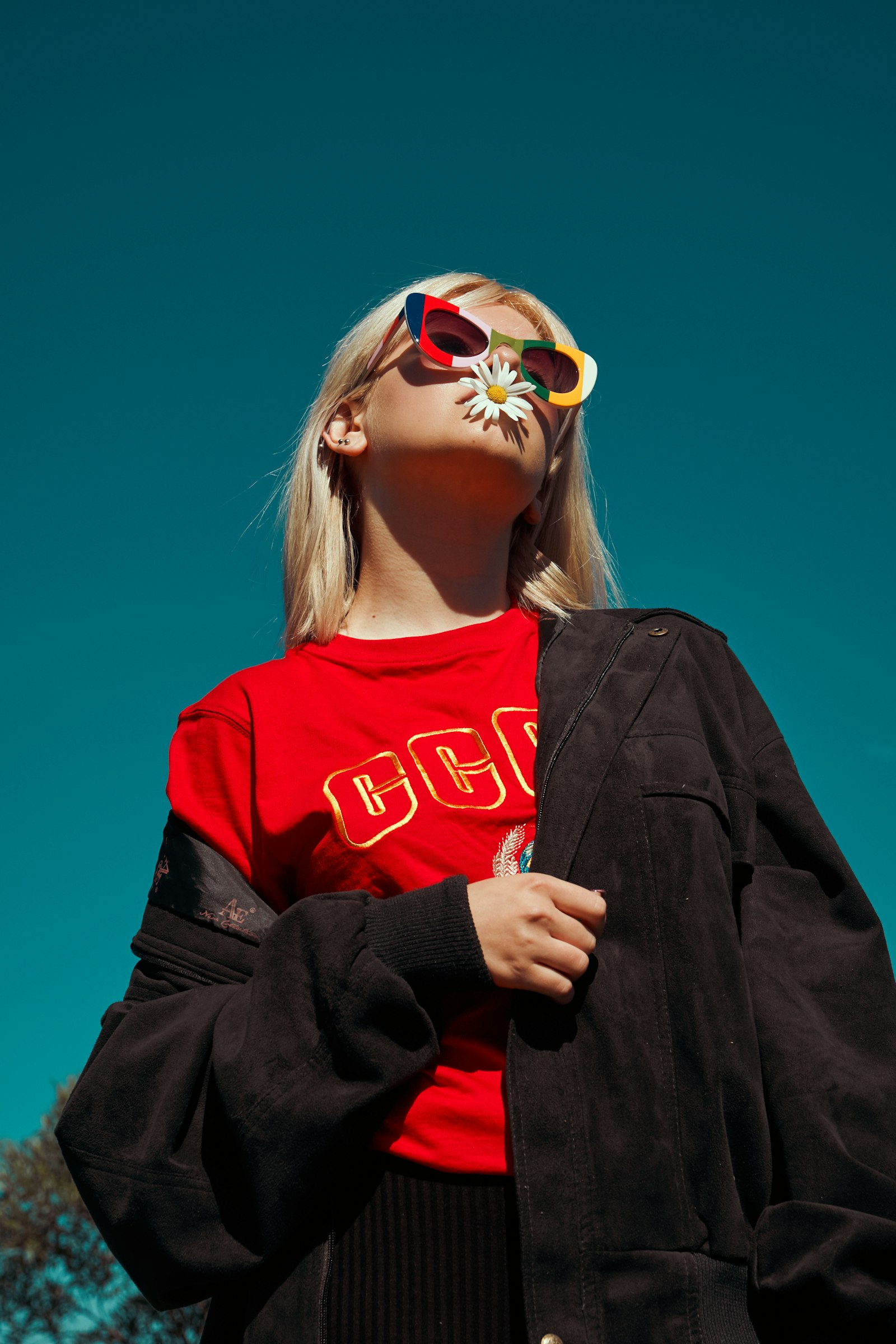
Meta workflow: UGC-style try-on without creators
Organic Reels and Stories
- Render Wearable 9:16, 5–10s, 768P draft.
- QA on phone at actual Reels size — bridge, drape, sole detail.
- Add trending audio and burned captions in Meta's editor (master stays silent from AmazVid).
- Link to PDP with Product shot under the fold.
Paid recipe: facebook ads product video from photos · instagram reels product video from photos.
Paid prospecting and retargeting
- Render Ad creative 9:16 from the same SKU still — test three hooks.
- Pair with Wearable for retargeting ("see it on body") vs Ad creative for cold hook tests.
- Kill mismatched CTR early; swap hook, not SKU.
Credit note: Ad creative = 5 credits flat (+1 for 2K). Wearable = 6 credits (+1 for 2K). Free plan = 6 credits — enough for one full try-on test before you commit.
→ Start Wearable try-on · Start Ad creative
TikTok workflow: native try-on energy
TikTok Shop and organic TikTok punish polished catalogue ads. UGC-style try-on without creators wins when:
- The opening frame shows motion on body within 0.5s (Wearable)
- Captions carry the hook because the master is silent
- Aspect is true 9:16 — no letterboxed 16:9 imports
Weekly cadence:
| Day | Action | Mode |
|---|---|---|
| Monday | 2 Wearable loops from new drop SKUs | Wearable |
| Wednesday | 2 Ad creative hook variants on best seller | Ad creative |
| Friday | Repost top organic performer as Spark-style paid test | Ad creative |
TikTok policy context: tiktok shop product video requirements · AI UGC for TikTok Shop and Amazon · short-form shoppable video strategy.
AI try-on vs real creator UGC (honest table)
| Dimension | AI Wearable + Ad creative | Real creator UGC |
|---|---|---|
| Time to first clip | Hours | Days to weeks |
| Cost per SKU (typical) | 5–7 credits (~$1–3 marginal on paid plans) | $150–$800+ per asset all-in |
| SKU accuracy | High when QA passes | Variable — wrong sample risk |
| Personality / voice | You add in edit | Built-in |
| Volume | High | Limited by creator bandwidth |
| Trust for some demos | Lower without disclosure | Higher for niche communities |
| Best use | Catalogue breadth, hook tests | Hero launches, community trust |
Hybrid playbook: AI for weekly volume and colourway coverage; creators for flagship storytelling and voice-over testimonials. Amazon angle: AI UGC product video for Amazon.
Credit math for a UGC-style content week
Assume four active fashion SKUs:
| Asset | Mode | Credits each | Qty | Subtotal |
|---|---|---|---|---|
| On-body Reels loop | Wearable | 6 | 4 | 24 |
| Paid hook variant | Ad creative | 5 | 4 | 20 |
| PDP trust clip | Product shot 5s | 2 | 4 | 8 |
| Week total | 52 |
That is roughly one Growth-tier month of content for a small DTC line — without a single creator invoice. Add +1 per render only when you ship 2K to a channel that needs it; draft in 768P first.
Compare to studio + model day totals in cost of studio model vs AI try-on. Plan tiers on pricing.
Still prep: make AI feel less "AI"
UGC fails when the source still is lazy:
- Front or 3/4 product photo — not a cropped lifestyle shot hiding the SKU.
- Correct colourway — the render inherits what you feed it.
- Visible details — buttons, sole tread, temple logos, hem length.
- Optional model reference — one brand-consistent face across the drop reads more "campaign" than random.
Wearable category guides: AI wearable try-on product video · AI sunglasses eyewear try-on video.
QA gate before anything goes to Meta or TikTok
- Silhouette matches the listing hero
- No melted logos or invented text on packaging
- Skin and body representation aligns with brand guidelines
- Aspect is native 9:16 (not padded)
- Master is silent — music and captions added in-platform
- Landing PDP has Product shot proof
- Disclosure added if required by current ad policy
One-week sprint (copy this)
Monday: Pick 2 SKUs. Run Wearable 9:16 each. Post organic Reels drafts. Tuesday: QA failures — re-render only the drifted SKUs (failed jobs do not burn extra credits). Wednesday: Run 2 Ad creative hooks on your best seller. Upload to Meta drafts. Thursday: Add captions and sound; schedule posts. Friday: Review 72h retention and CTR; double down on the winning mode for that category.
Register: Wearable · Ad creative · Product shot for PDP
When you should still hire creators
Book humans when:
- The brief requires spoken testimonial or demo narration
- You are entering a new demographic where community trust is the product
- The campaign is hero-tier with PR coordination
- Platform or legal requires verified real customer content
AI try-on is a volume and speed layer, not a moral replacement for authentic community voices.
Bottom line
UGC-style try-on without creators is achievable when you:
- Use Wearable for on-body loops that mimic try-on clips
- Use Ad creative for vertical paid hooks from the same still
- Keep Product shot on the PDP so clicks convert
- QA every render against the SKU and follow platform disclosure rules
Start one SKU today: Wearable try-on · Ad creative · Pricing.
More reading: Wearable vs Product vs Ad creative · Cost of studio model vs AI try-on · Amazon fashion listing video 2026.
---
*Illustration photos in this article are from Unsplash under the Unsplash License.*
Frequently asked questions
Can AI replace UGC creators entirely?
Not for every brand. AI try-on wins on speed, SKU fidelity, and volume. Real creators win on voice, humour, and established audience trust. Most teams hybridize: AI for catalogue breadth, creators for hero campaigns.
Which AmazVid modes feel most like UGC?
Wearable try-on for on-body loops that mimic mirror clips. Ad creative for fast vertical hooks with social pacing. Product shot is too catalogue-clean for UGC energy — keep it on the PDP.
Is AI try-on allowed on Meta and TikTok?
Generally yes for product ads when you disclose synthetic media where required and the ad does not mislead about the product. Always QA SKU accuracy and follow current platform ad policies.
How many credits does a UGC-style week cost?
Example: 3 Wearable (18) + 4 Ad creative (20) = 38 credits for seven social clips from four SKUs. Free plan includes 6 credits for a single proof-of-concept.
How do I keep AI try-on brand-safe?
Use optional model references aligned with your demographic, avoid exaggerated body edits, QA every frame against the SKU, and never imply real customer testimonials unless they are real.
Related guides
- AmazVid homepage — AI product video generator
- Wearable vs Product vs Ad Creative
- AI Wearable Try-On Product Video
- AI Sunglasses Eyewear Try-On Video
- Cost of Studio Model vs AI Try-On
- AI UGC Product Video for Amazon Sellers
- AI UGC Product Videos for TikTok Shop & Amazon (2026)
- Facebook Ads Product Video from Photos
- Instagram Reels Product Video From Photos
- TikTok Shop Product Video Requirements
- Seedance 2.5 vs MiniMax H3
- Shopify Product Video Best Practices
- Shoppable Video Strategy: Amazon + TikTok Shop (2026)
- AmazVid pricing
Sources
Ready to generate product video?
Back to AmazVid — paste a product link, lock the first frame, export silent 1080p.