Blog · AI sunglasses try-on video
AI Sunglasses & Eyewear Try-On Video: Sell Frames Without Casting
AI sunglasses and eyewear try-on video for ecommerce: virtual try-on clips from SKU stills, MiniMax H3 Ref2VA, Amazon/Shopify workflows, still prep, QA, and AmazVid Wearable mode.
Updated 2026-08-09 · 16 min read · AmazVid Editorial
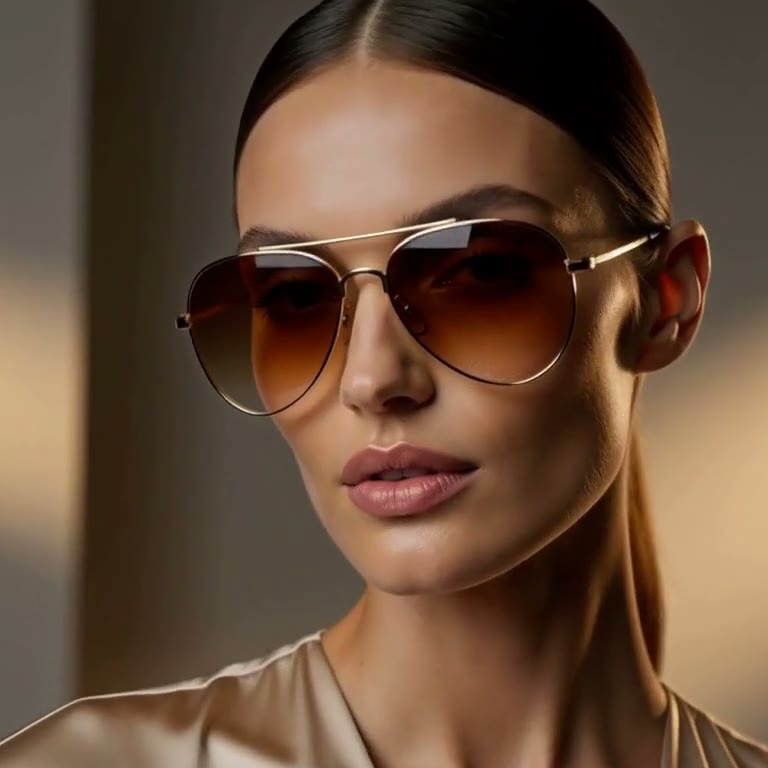
AI sunglasses try-on video is how eyewear brands ship on-face proof without booking talent, lights, or a week of reshoots. Shoppers do not buy frames from a lonely packshot alone — they want to feel the fit story: bridge on a face, temple line, lens mood. In 2026 you can generate that story from the same SKU still you already use on Amazon or Shopify.
This guide is written for optical DTC brands, Amazon sunglasses sellers, Shopify eyewear shops, and agencies who need eyewear try-on AI video that stays listing-accurate. You will get still prep, mode routing, QA checklists, channel recipes, and a credit-smart weekly cadence.
Related hubs: AI wearable try-on product video · Wearable vs Product vs Ad creative · AmazVid Wearable demo · ecommerce product AI video.
What “AI sunglasses try-on video” actually means
Searchers who type AI sunglasses try-on video, AI eyewear try-on video, or virtual sunglasses try-on video usually want one of three outcomes:
- A marketplace clip that shows frames on a face without lying about the SKU
- A Reels / TikTok hook that outperforms flat-lays
- A catalogue workflow that scales across SKUs without casting every colourway
They are rarely asking for a full AR fitting room. AR is great inside a brand app. Ecommerce teams also need a downloadable, silent MP4 they can drop into Shopify product video themes, Amazon galleries (where policy allows lifestyle motion), and paid social — see silent product video no watermark.
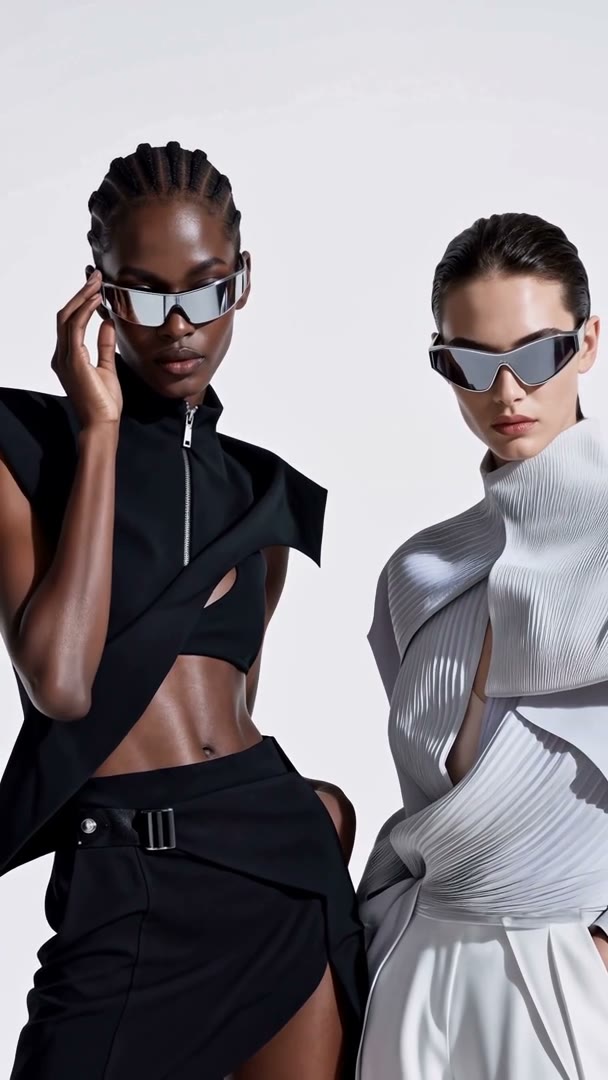
AmazVid’s answer is Wearable try-on → Eyewear, powered by MiniMax H3 Ref2VA. The product image is treated as a reference identity, not only the opening frame. That is the difference between “cool fashion AI” and “this is our SKU-047 aviator.” Engine context: Seedance 2.5 · MiniMax H3 product video · AI image to video ecommerce.
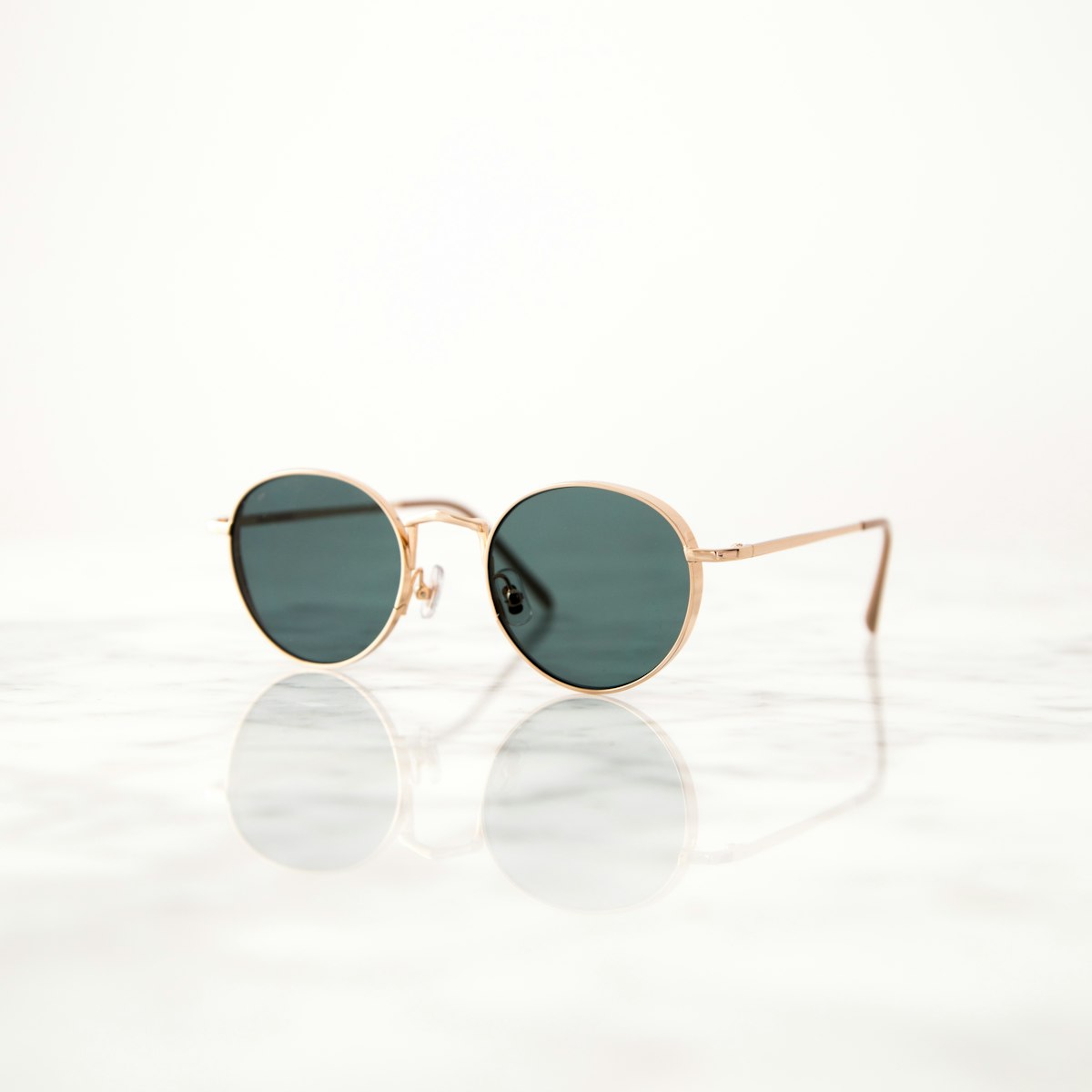
Why eyewear is the perfect Wearable category
Frames are small, high-margin, and visually judged in seconds. Buyers fixate on:
- Bridge width and nose pads
- Temple thickness and tip curve
- Lens tint / mirror / gradient
- Metal vs acetate finish
- Logo marks on temples (easy for models to invent — and ruin)
Traditional response: hire a model day, shoot ten SKUs, pray the light matches the PDP. AI glasses try-on ecommerce compresses that into an afternoon — if your stills are honest. For apparel and footwear siblings, stay inside the broader AI wearable try-on playbook; this article stays laser-focused on sunglasses and optical.
Fashion UGC without creators: AI UGC product video for Amazon · AI UGC for TikTok Shop & Amazon.
Product shot vs Wearable vs Ad creative (eyewear edition)
Do not run every frame through Wearable. Route by destination — full matrix in Wearable vs Product vs Ad creative.
| Job | Mode | Eyewear note |
|---|---|---|
| Amazon / Shopify gallery trust | Product shot | Frames alone, soft orbit, first-frame lock |
| On-face proof, Reels, lookbook | Wearable (eyewear) | Model wears the exact SKU |
| Meta / TikTok hook tests | Ad creative | Same still, 9:16 cinematic energy |
Rule of thumb: PDP keeps Product shot. Social gets Wearable + Ad creative. That dual-asset habit is how conversion and brand heat coexist.
Amazon operators: how to make Amazon product videos · Amazon listing video requirements · best AI tool for Amazon product videos.
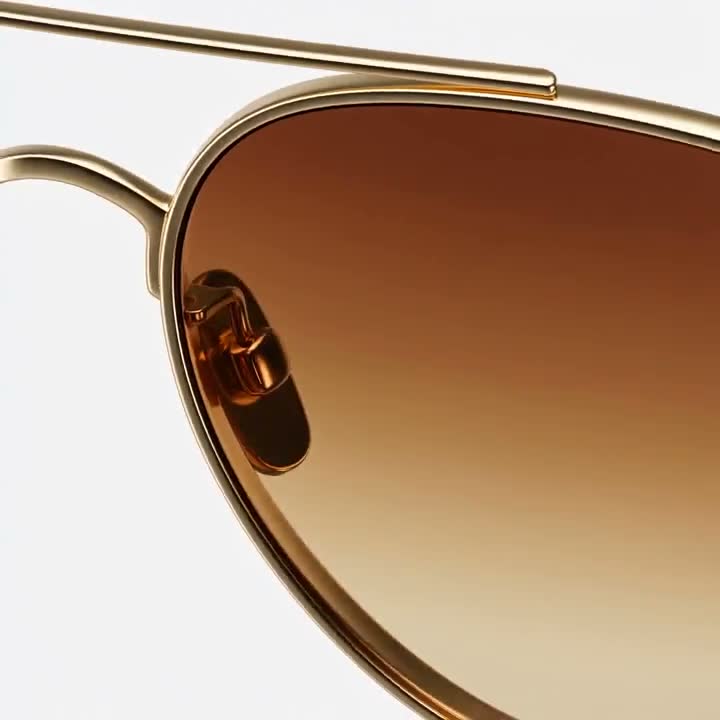
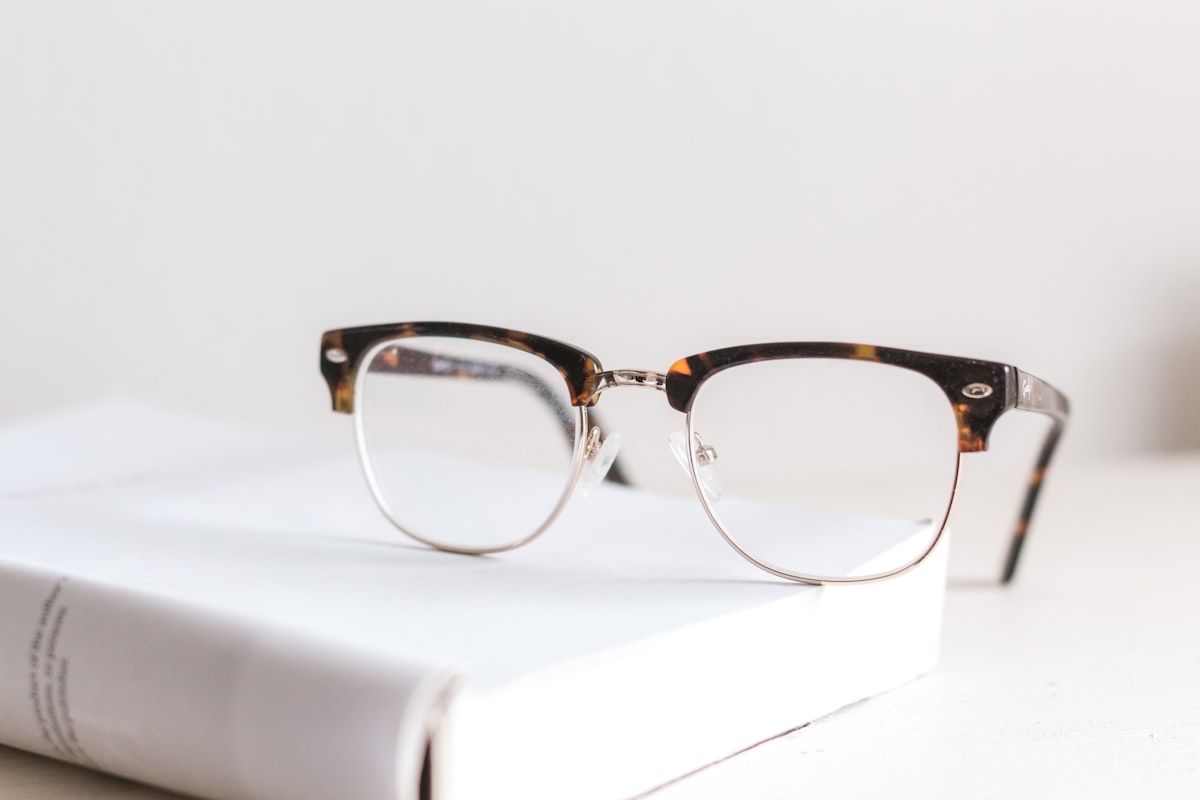
Still prep checklist for optical and sun SKUs
Bad photography is the number-one cause of bad try-ons. Before you burn credits, fix the still — same discipline as convert product photos to video.
- Angle: Front-on or gentle 3/4. Dead-side profiles hide the bridge.
- Fill the frame: Frames should dominate; huge negative space wastes model attention.
- Lens truth: Gradient, mirror, and photochromic tint must match the buy box.
- No chrome: Remove marketplace watermarks, price stickers, and UI overlays.
- One colourway per still: Do not collage three SKUs into one plate.
- Sharp hinges: Soft focus makes Ref2VA guess metalwork.
- Consistent backdrop: Infinity white / soft grey helps identity; busy marble props compete.
Optical shelves and retail displays are fine for moodboards — not as the sole reference for optical frames try-on video.
How AmazVid Wearable eyewear works (seller steps)
- Open AmazVid and create a project — or paste a product URL (turn product URL into video).
- Choose Wearable try-on and category Eyewear.
- Confirm the extracted still matches the listing hero.
- Optional: upload a model reference if your brand has a recurring face.
- Pick 768P to draft or 2K when the channel needs sharpness (+1 credit).
- Download the silent MP4; add music/captions in CapCut or Ads Manager.
Credits: Wearable is 6 base (+1 for 2K). Product shot and Ad creative stay available for the same SKU — see pricing. Failed jobs should be retried without double-charging; that ops detail matters when you batch a seasonal drop.
Demo inspiration on the homepage: Wearable module with aviator and chrome-visor loops.
Prompt habits that keep frames honest
Winning prompts for fashion eyewear listing video are boring on purpose:
- “Fashion model wears these exact sunglasses, slow push-in, studio soft light, keep frame shape and lens tint identical, no logo invent.”
- “Close-up eyewear try-on, natural skin, catchlights in lenses, product identity locked to reference.”
Avoid: exploding lenses, neon cyberpunk temples that are not on the SKU, extra piercings that rewrite the face more than the frames, “luxury logo” hallucinations on the arm.
Engine comparisons if you are evaluating stacks outside AmazVid: Seedance 2 vs Kling 3 · Sora vs Veo vs Kling vs Seedance · Kling AI product video. For catalogue continuity, prefer reference-to-video paths documented in Seedance 2.0 ecommerce.
Channel recipes that convert
Amazon sunglasses / optical
- Gallery: Product shot silent clip (white background product video Amazon quality bar).
- Brand content / Posts / off-Amazon: Wearable + Ad creative.
- Length: keep gallery short — ecommerce product video length guide.
- AEO angle: clear on-face demos help Rufus-era shoppers who ask fit questions — Amazon AEO Rufus guide.
Shopify DTC eyewear
- PDP: packshot video under the fold (Shopify product page video size).
- Homepage / launch: Wearable loop.
- Email: 5s try-on GIF or muted autoplay.
- Full theme habits: Shopify product video best practices.
Meta, TikTok, Reels, Pinterest
- Lead with face + frames in the first second.
- Export 9:16 Ad creative and Wearable variants — instagram reels product video from photos · facebook ads product video from photos · tiktok shop product video requirements · Pinterest product videos.
- Test lens colourways as separate creatives, not one mega-edit.
QA gate before you publish eyewear try-on
Print this next to your render queue:
- [ ] Frame silhouette matches the listing hero (aviator vs wayfarer vs cat-eye)
- [ ] Lens tint / mirror intensity matches the SKU title
- [ ] No invented logos on temples
- [ ] Hinge and temple tip look physically plausible
- [ ] Skin and hair do not obscure the product for >50% of runtime
- [ ] Aspect matches destination (1:1 gallery vs 9:16 Reels)
- [ ] Master is silent — captions added downstream
- [ ] PDP still has a Product shot for packshot trust
Fidelity mindset: AI image to video ecommerce · listing-accurate product habits.
Credit math for an eyewear drop
Example week for a 12-SKU sun collection on Growth (70 credits) or mixed PAYG:
| Action | Credits (approx.) |
|---|---|
| 12× Product shot 5s | ~24 |
| 4× Wearable hero colourways | ~24 |
| 4× Ad creative 9:16 | ~20 |
| Total | ~68 |
Draft Wearable in 768P; promote winners to 2K. Batch packshots with shared light presets — batch product videos for ecommerce catalog. Agencies packaging this for clients: AI video generator for business 2026.
AR try-on apps vs exportable AI try-on video
| In-app AR | AmazVid Wearable MP4 | |
|---|---|---|
| Shopper effort | Install / camera permission | None — they just watch |
| Brand control | Live fit variance | Directed fashion clip |
| Ads reuse | Weak | Strong (Reels, Meta) |
| Catalogue ops | Per-session | File in DAM / Shopify |
Use AR if you have engineering budget for a fitting widget. Use virtual sunglasses try-on video when you need creative velocity across ASINs. Many brands eventually run both.
Common failure modes (and fixes)
Temples morph into a different SKU. Still was too soft or angled. Reshoot front 3/4; shorten the prompt; re-run Wearable.
Lens goes clear when the listing is smoke gradient. Reference image underexposed the tint. Export a brighter still from your raws.
Model face steals the frame. Ask for medium close-up that keeps both lenses visible; crop in post if needed.
Amazon rejects the asset. You may have uploaded a lifestyle-heavy clip into a slot that expects packshot behaviour. Keep Wearable for Brand Story / social; gallery gets Product shot — Amazon listing video requirements.
Credits vanish on experiments. Lock a “hero 4” colourway list before you render the long tail.
Competitive landscape (how to choose tools)
Sellers comparing stacks should separate engines from workflows:
- Playground models (Runway, Kling, raw MiniMax) can look stunning and still invent logos — AmazVid vs Runway vs Kling · top 10 AI product video tools 2026.
- AmazVid wraps URL ingest, mode routing, credits, and silent export for seller ops — best AI video generator 2026 · top 20 AI video makers 2026.
- For eyewear specifically, insist on reference identity (Ref2VA / multi-ref), not text-to-video fantasies of “gold sunglasses.”
One-day eyewear sprint (do this once)
Morning
- Pull five live ASINs or Shopify products with sharp heroes.
- Run Product shot 5s for each — how to make Amazon product videos.
Afternoon
- Pick the two strongest SKUs → Wearable eyewear.
- Flip both into Ad creative 9:16 — how to turn Amazon listing into video ad.
Evening
- Publish Reels; schedule Meta; upload packshots to PDP.
- After 72 hours, keep the winning lens story as your template.
Start: Create free account · Wearable on homepage · Features.
SEO keywords this article targets (for your content calendar)
Primary: AI sunglasses try-on video High-intent siblings to weave into titles and FAQs: eyewear try-on AI video, AI eyewear try-on video, virtual sunglasses try-on video, AI glasses try-on ecommerce, sunglasses product video AI, optical frames try-on video, MiniMax H3 Ref2VA eyewear, fashion eyewear listing video, AI aviator try-on, acetate frames AI video, mirrored lens try-on clip.
Cluster with: AI wearable try-on product video · Wearable vs Product vs Ad · instagram reels from product photos.
Seasonal drops and colourway operations
Eyewear catalogues explode in spring and holiday mirrors. The operational mistake is rendering every SKU in Wearable on day one. Instead:
- Rank SKUs by margin × traffic.
- Give the top quartile Wearable + Ad creative.
- Give the long tail Product shot only until a colourway proves demand.
- Promote winners from 768P drafts to 2K masters for hero placements.
This mirrors how strong teams run batch product videos for ecommerce catalog: shared light presets for packshots, intentional spend on try-on. When a mirrored lens spikes on TikTok, clone the winning Wearable prompt structure onto sibling SKUs — do not invent a new aesthetic language every Tuesday.
Agencies can productise this as a retainer line item: “12 packshots + 4 try-ons + 4 ads / month,” priced against AI video generator for business 2026 expectations and AmazVid pricing credits.
Accessibility, inclusivity, and brand safety
On-face video is also a representation choice. If every try-on defaults to one face shape or skin tone, you silently narrow who feels invited to buy. Practical habits:
- Rotate optional model reference images across campaigns.
- For optical SKUs aimed at workwear buyers, prefer natural daylight grades over ultra-gloss editorial.
- Avoid prompts that sexualise the face more than they show the frames.
- Keep text out of the master file so localised captions can be added per market — silent product video no watermark.
Brand safety also means logo honesty. Invented temple marks are not “creative”; they are a returns and trademark risk. When in doubt, re-run with a shorter prompt and a sharper still — the same fidelity lesson as Google Veo product video and Kling AI product video reviews for ecommerce.
Measuring whether try-on actually lifts revenue
Vanity metrics (likes on a Reels) are optional. Tie AI eyewear try-on video to seller KPIs:
| Signal | Where to watch | Decision |
|---|---|---|
| PDP add-to-cart after media view | Shopify analytics / Amazon Brand Analytics | Keep Wearable on PDP if ATC rises |
| Thumbstop rate | Meta/TikTok | Iterate Ad creative openings |
| Return reason “looks different” | Returns tags | Tighten QA on tint/bridge |
| Credit ROI | Credits ÷ attributed orders | Cap experimental SKUs |
Run a simple A/B: SKU A with packshot only vs SKU B with packshot + Wearable loop in the gallery or secondary media. Give it two weeks. If nothing moves, your stills or traffic quality — not the category — may be the bottleneck. Broader measurement culture: ecommerce product AI video · short-form shoppable video strategy.
Legal and listing hygiene (short version)
- You are responsible for likeness and advertising claims in your market. Prefer generated models over scraping celebrity faces as references.
- Do not claim “virtual fitting guarantees PD” if you only ship fashion clips.
- Keep packaging and SKU titles aligned with what the video shows.
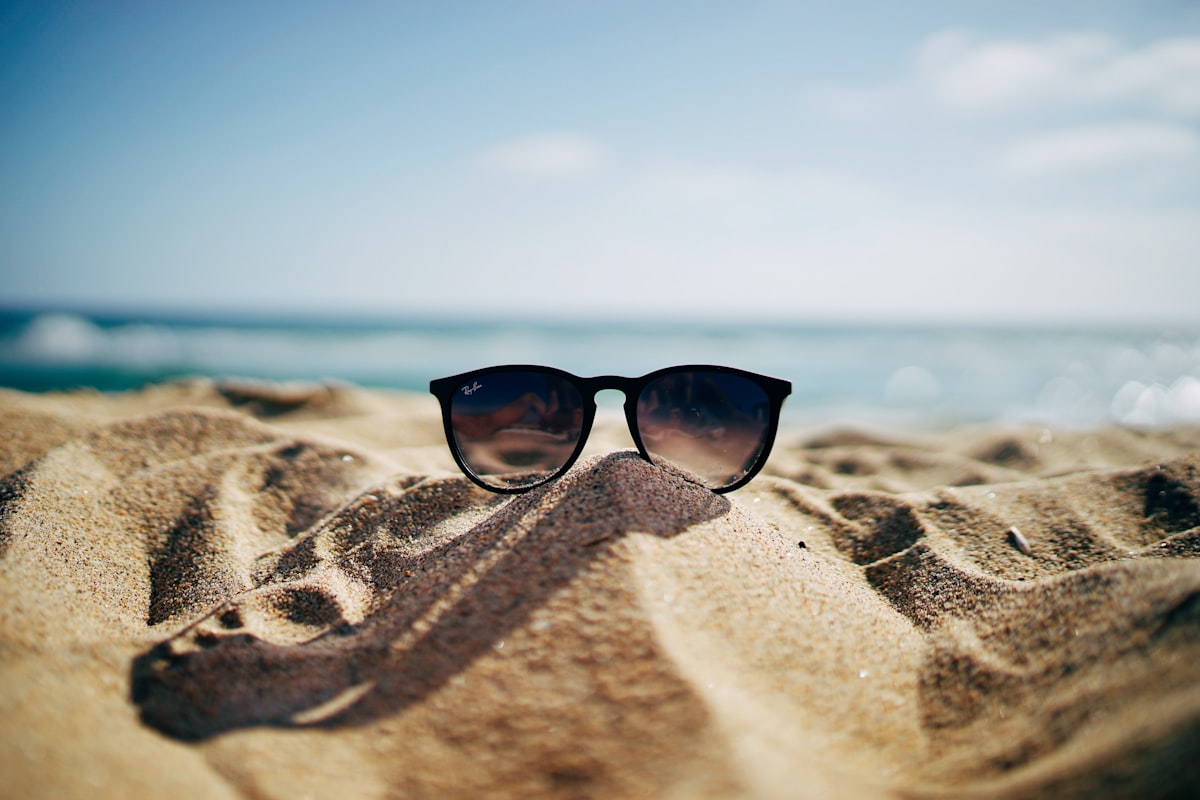
- Stock photos in educational blogs (like the Unsplash frames above) are for illustration — your live renders must use your product stills.
When you cite tools publicly, separate playground demos from seller workflows — AmazVid vs Runway vs Kling · top 10 AI product video tools 2026.
Extended FAQ for searchers
Can I use AI sunglasses try-on for prescription optical? Yes for marketing motion. No as a medical fitting substitute. Show the real frame geometry; leave pupillary distance to your optician flow.
Do polarised or photochromic lenses try on well? They can, if the still shows the resting tint clearly. Extreme transitions confuse models — shoot the consumer-visible state.
What about kids’ eyewear? Use age-appropriate model references and stricter brand-safety prompts. Many teams stick to Product shot for children’s SKUs.
How does this relate to first-frame lock? Packshots use first-frame lock (AI image to video ecommerce). Wearable uses reference identity (Ref2VA). Both fight SKU drift — different mechanisms, same honesty goal. Compare modes in Wearable vs Product vs Ad creative.
Bottom line
AI sunglasses try-on video is no longer a lab demo. It is a repeatable ecommerce asset class: honest still → Wearable eyewear → silent MP4 → Reels and PDP support. Pair it with Product shot for trust and Ad creative for paid hooks. QA the bridge and the tint like your return rate depends on it — because it does. Treat colourways like a portfolio, measure ATC and returns, and keep AR widgets as an optional parallel track rather than an excuse to delay shipping files.
Ship your first on-face clip today: AmazVid · Wearable demo · Pricing · deep dive AI wearable try-on · mode router Wearable vs Product vs Ad.
*Stock photographs in this article are from Unsplash (free to use). Product try-on stills and posters are AmazVid demo assets.*
Frequently asked questions
What is an AI sunglasses try-on video?
It is a short clip where a generated model wears your real sunglasses or optical frames, generated from a product still via reference-to-video (Ref2VA) rather than a packshot-only orbit.
Is AI eyewear try-on accurate enough for Amazon?
Use it as fashion proof and social creative. Keep a first-frame-locked Product shot on the gallery for listing trust. Always QA bridge shape and lens tint against the buy-box image.
How is Wearable different from AR try-on apps?
Mobile AR fits a live face in an app. AmazVid Wearable exports a silent ecommerce MP4 for PDP, Reels, and ads — no app install required for the shopper.
Which stills work best for AI glasses try-on?
Clean front or three-quarter product photos with visible bridge, hinges, and lens colour. Avoid heavy lifestyle crops that hide the frames.
How many credits does eyewear Wearable cost on AmazVid?
Wearable try-on is 6 credits base, plus 1 if you select 2K over 768P. Product shot and Ad creative remain available for the same SKU at their own rates — see pricing.
Related guides
- AmazVid homepage — AI product video generator
- AI Wearable Try-On Product Video
- Wearable vs Product vs Ad Creative
- AI Image to Video for Ecommerce
- Seedance 2.5 vs MiniMax H3
- Instagram Reels Product Video From Photos
- Facebook Ads Product Video from Photos
- Shopify Product Video Best Practices
- How to Make Amazon Product Videos
- AI UGC Product Video for Amazon Sellers
- Silent Product Video, No Watermark
- Ecommerce Product AI Video Guide
- Convert Product Photos to Video Fast
- AmazVid pricing
Sources
Ready to generate product video?
Back to AmazVid — paste a product link, lock the first frame, export silent 1080p.