Blog · cost of studio model vs AI try-on
Cost of Studio Model vs AI Try-On: Real Numbers for Fashion Video
Cost of studio model vs AI try-on: realistic line-item tables for casting, studio rental, retouching, and reshoots compared to AmazVid Wearable credits — break-even math, 12-SKU drops, and when to still book humans.
Updated 2026-08-09 · 18 min read · AmazVid Editorial
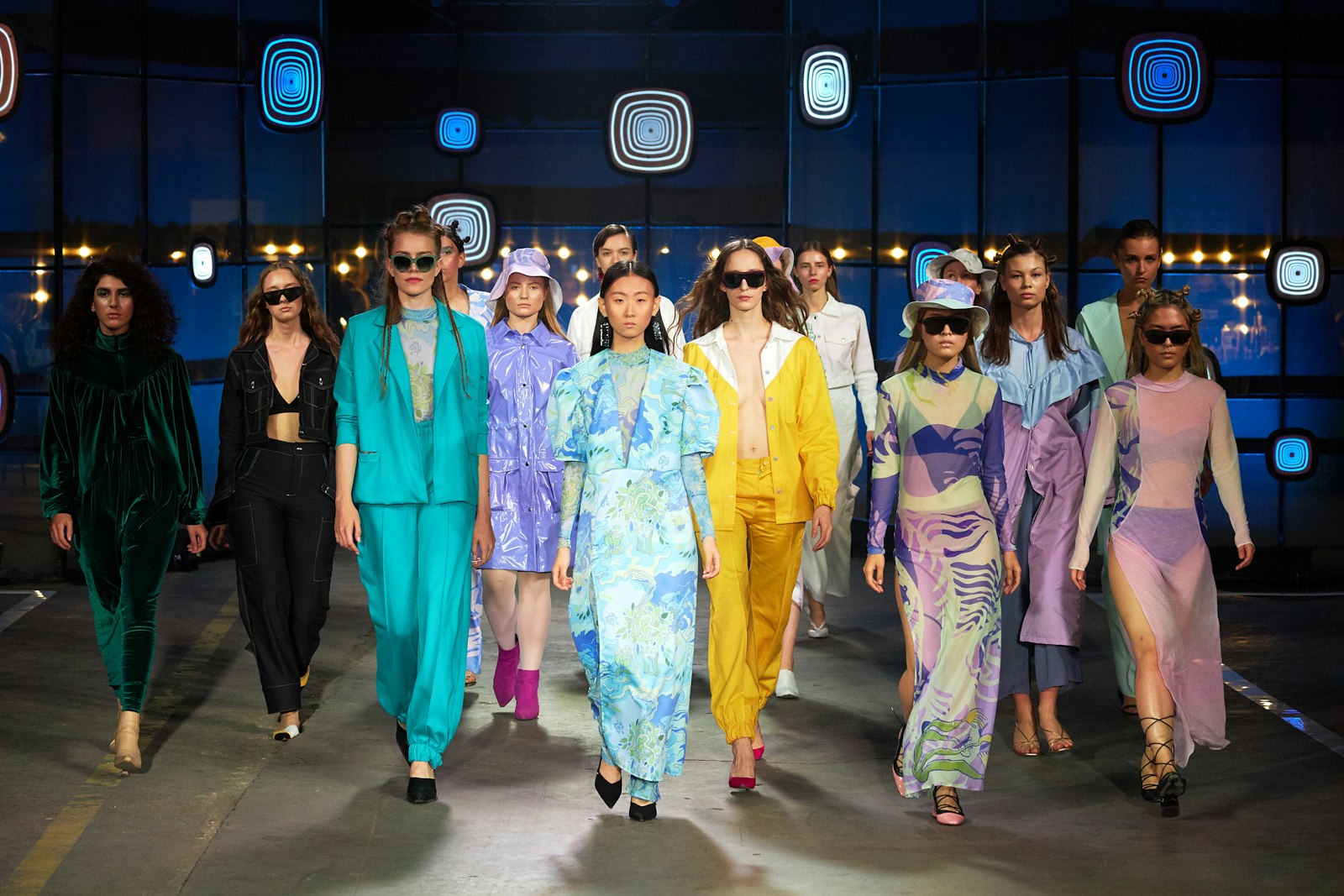
Cost of studio model vs AI try-on is the spreadsheet conversation fashion merchants avoid until launch week — when casting emails, studio deposits, and retouching invoices land on the same day the drop is supposed to go live. You need on-body video. You also need margin.
This article puts realistic numbers on both sides: casting, studio rental, photographer, digitech, retouching, reshoots, and usage rights vs AmazVid Wearable try-on credits (6 base, +1 for 2K). You will get break-even math, a 12-SKU drop worked example, when to still book humans, and a hybrid budget template agencies can reuse.
Related: Wearable vs Product vs Ad creative · AI wearable try-on product video · UGC-style try-on without creators · Wearable mode · pricing.
Why this comparison matters now
Shoppers expect motion on body for apparel, footwear, and eyewear — not only flat-lays. Amazon fashion, Shopify PDPs, and TikTok Shop all reward video depth. The default response for a decade was book a model, rent a studio, pray the weather holds.
In 2026, AI try-on from listing stills (MiniMax H3 Ref2VA via AmazVid Wearable) compresses casting-to-publish from weeks to hours — at credit prices that look absurd next to studio invoices. The honest question is not "AI or studio?" but "Which SKUs deserve which budget?"
Engine background: Seedance 2.5 · MiniMax H3 product video · MiniMax H3 Ref2VA for ecommerce.
Studio + model: line-item cost table (realistic ranges)
Figures below reflect typical US/EU half-day ecommerce fashion shoots in 2026. Your market may vary — adjust rents and day rates locally.
| Line item | Low | Typical | High | Notes |
|---|---|---|---|---|
| Model casting / agency fee | $200 | $500 | $1,200 | Skipped on repeat talent — paid again on new faces |
| Model day rate (4–6 hrs) | $400 | $800 | $2,000 | Usage rights often extra |
| Studio rental (half day) | $300 | $600 | $1,500 | Includes basic grip |
| Photographer / videographer | $500 | $1,000 | $2,500 | Video + still combo costs more |
| Hair / makeup | $150 | $350 | $700 | Essential for fashion polish |
| Stylist | $0 | $400 | $900 | DIY styling saves here — costs time |
| Digitech / assistant | $150 | $300 | $500 | |
| Retouching (per look batch) | $200 | $500 | $1,200 | Rush fees hurt |
| Reshoot buffer (30% projects) | — | $500 | $1,500 | Wrong sample, bad fit, weather — plan for it |
| Half-day total | ~$1,500 | ~$3,000 | ~$4,500+ | Before travel, catering, props |
Full-day two-look fashion with agency casting often crosses $6,000–$10,000 before you count internal producer time.
Hidden costs merchants forget
- Usage rights windows — extending whitelisting for Meta ads six months later
- Wrong SKU on set — reship samples, slip launch dates
- Internal time — brief writing, shot lists, approvals (often 8–20 staff hours)
- Opportunity cost — calendar slots missed while waiting for edits
Compare speed playbooks: UGC-style try-on without creators · batch product videos for ecommerce catalog.
AmazVid AI try-on: credit cost table
AmazVid charges by mode, not by vague "tokens." For fashion on-body clips:
| Mode | Credits | Best for |
|---|---|---|
| Wearable try-on | 6 (+1 for 2K) | On-body proof, lookbooks, Reels |
| Ad creative | 5 (+1 for 2K) | Meta / TikTok hooks from same still |
| Product shot 5s | 2 (+1 for 2K) | PDP packshot trust |
| Product shot 10s | 3 (+1 for 2K) | Longer gallery motion |
Free plan: 6 credits — one Wearable test or three Product 5s clips. Growth (~70 credits/month): marginal cost per Wearable render often lands ~$1–2 depending on how you allocate the subscription — see pricing.
Failed jobs that need retry do not burn duplicate credits — an ops detail studio invoices rarely forgive.
Side-by-side: cost per usable SKU
Assume a half-day studio delivers 10 usable SKUs (common for small DTC lines with one model, two looks):
| Method | Total cost | Usable SKUs | **Cost per SKU** |
|---|---|---|---|
| Studio half-day (typical) | $3,000 | 10 | $300 |
| Studio half-day (efficient) | $1,800 | 12 | $150 |
| Studio half-day (problem day + reshoot) | $4,500 | 8 | $563 |
| AmazVid Wearable only | ~$2 marginal × 10 | 10 | ~$2 |
| AmazVid Wearable + Ad + Product trio | ~$13 credits × 10 | 10 | ~$13 full asset stack |
The gap is not subtle. AI try-on vs model casting stops being philosophical when finance sees $300 vs $2 per colourway.
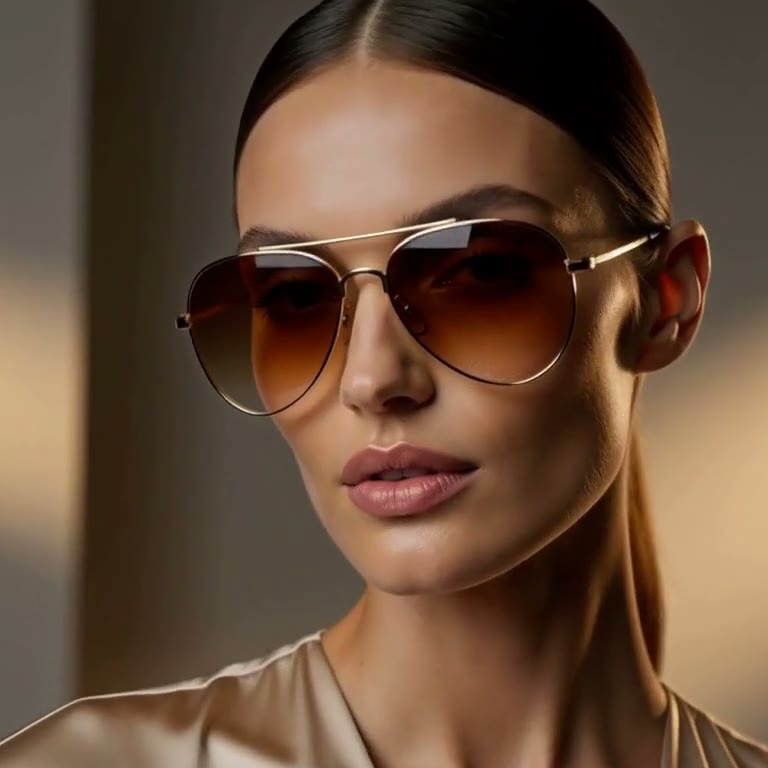
Eyewear and accessories follow the same math — AI sunglasses eyewear try-on video. Footwear tread QA matters — footwear try-on without model casting.
Break-even: when AI pays for itself
Define break-even as the point where AI catalogue spend equals studio marginal cost for the same SKU count.
Example A — typical half-day
- Studio: $3,000 / 10 SKUs = $300 per SKU
- AI Wearable: ~$2 per SKU
- Break-even studio day "replaced": when you would have booked another $3k day for colourways AI covers instead — often after one avoided reshoot or one incremental drop
Example B — reshoot-heavy team
- Studio problem day: $4,500 / 8 SKUs = $563 per SKU
- One Growth month (70 credits) ≈ 11 Wearable clips + leftover Product/Ad tests
- Break-even: first month of AI often pays back a single bad studio day
Example C — agency markup
- Client billed $6,000 for half-day production
- AI white-label stack for 20 colourways: ~120 Wearable credits ≈ 2 Growth months
- Agency margin: keep studio for hero, AI for catalogue breadth — sell as a "mode package" per Wearable vs Product vs Ad creative
Break-even is not "never shoot again." It is defaulting new SKUs to AI until hero tier justifies humans.
12-SKU drop: worked example
You launch a capsule: 12 apparel SKUs, three colourways each (36 variants), need on-body Reels + PDP trust.
Studio-first plan
| Item | Cost |
|---|---|
| Full-day studio, 2 models | $6,500 |
| Extra half-day reshoot (2 SKUs drifted) | $2,800 |
| Rush retouch | $800 |
| Total | ~$10,100 |
| Usable on-body clips shipped Week 2 | ~28 of 36 (sample errors, fatigue) |
| Marginal cost per shipped clip | ~$361 |
AI-first plan (AmazVid)
| Item | Credits | Cost marginal (Growth) |
|---|---|---|
| 36× Wearable on-body | 216 | ~$36–72 |
| 36× Product shot 5s (PDP) | 72 | ~$12–24 |
| 12× Ad creative (hero hooks only) | 60 | ~$10–20 |
| Total credits | 348 | ~$58–116 over ~5 Growth months OR mix plans |
| Ship window | Same week | |
| Marginal cost per on-body clip | ~$2–3 |
Even if you still book one studio day ($3k) for flagship campaign assets, AI-first for the long tail saves five figures on a single drop.
Category guides: apparel try-on AI for Shopify · Amazon fashion listing video 2026.
Hybrid budget template (what smart teams actually do)
| Tier | SKU types | Method | Budget signal |
|---|---|---|---|
| Hero launch (1–3 SKUs) | Flagship, PR, collabs | Studio + model + optional creator UGC | $3k–$10k |
| Core catalogue (10–50 SKUs) | Colourways, sizes | AmazVid Wearable + Product shot | Credits |
| Weekly social hooks | Best sellers | Ad creative 9:16 tests | 5 credits each |
| PDP trust | All SKUs | Product shot 5s | 2 credits each |
Rule: Studio proves the brand world. AI proves the SKU list.
Register paths: Wearable · Product shot · Ad creative
When you should still book human models
AI try-on is not a universal substitute. Book studio talent when:
Fit-critical sizing stories. Plus-size, petite, adaptive fit — if your QA cannot yet represent the drape honestly, humans plus rigorous fit notes beat synthetic guesswork.
Hero campaign narrative. Seasonal films, brand manifestos, partnerships — budget for lights and direction.
Voice and personality. Spoken UGC, humour, community trust — see honest split in UGC-style try-on without creators.
Legal / platform edge cases. Categories with strict substantiation may still require human demonstration.
Texture extremes. Certain fabrics, iridescent materials, or intricate jewelry may need macro studio control AI still fumbles — pair Product shot with selective Wearable.
Quality bar: AI must pass the same QA as studio
Cheap AI that drifts logos is not savings — it is chargebacks and ad rejection. Before you publish Wearable:
- Silhouette matches listing hero
- Colourway accurate in neutral and warm light
- No invented logos or packaging text
- Motion feels natural at 9:16 phone size
- PDP still has Product shot packshot trust
Mode routing: Wearable vs Product vs Ad creative · AI wearable try-on product video.
Agency and brand finance: how to present the ROI
CFO-friendly slide:
- Last 12 months studio spend (actual invoices)
- Usable SKUs shipped (not shot count)
- Cost per shipped SKU (often $150–$500)
- Projected AI credit spend for same catalogue breadth
- Hybrid reserve — one studio day per season for hero
Most brands find 60–80% of SKU video volume can move to AI without hurting conversion — if PDP trust clips remain Product shot.
Business context: AI video generator for business 2026 · ecommerce product AI video.
One-afternoon audit (do this before next shoot)
- Pull last studio invoice — itemize every line.
- Count SKUs that actually went live within 30 days.
- Divide total by that count — that is your true cost per SKU.
- Open pricing — map Wearable + Product + Ad credits for the same count.
- Decide hero vs catalogue split for the next drop.
If true cost per SKU exceeds $100, default new colourways to Wearable try-on first.
Bottom line
Cost of studio model vs AI try-on is not a purity contest:
- Studio + model — hero power, human trust, high marginal cost per SKU
- AmazVid Wearable — catalogue breadth at 6 credits (+1 for 2K) per on-body clip
- Hybrid — how profitable fashion teams actually ship in 2026
Run the 12-SKU math before you sign the next studio deposit. Start one comparison render today: Wearable mode · Pricing.
More reading: UGC-style try-on without creators · AI sunglasses eyewear try-on video · Footwear try-on without model casting.
---
*Illustration photos in this article are from Unsplash under the Unsplash License.*
Frequently asked questions
How much does a studio model shoot cost for ecommerce?
Budget $1,500–$4,500 for a half-day with one model and small crew in most US/EU markets, rising with agency casting, multiple looks, video crew, and rush retouching. Full-day fashion shoots with two models often exceed $8,000.
How much does AI try-on cost per SKU on AmazVid?
Wearable try-on is 6 credits base (+1 for 2K). On Growth (70 credits/month), marginal cost per clip is roughly $1–2. Product shot and Ad creative have their own rates — see pricing.
At what SKU count does AI try-on break even vs studio?
If a half-day delivers 10 usable SKUs at $3,000 ($300/SKU), AI at ~$2/SKU breaks even after roughly 1–2 studio days replaced by credit spend — faster when reshoots are common.
When should I still book human models?
Hero campaigns, fit-critical sizing stories, plus-size representation you cannot QA in AI yet, spoken testimonials, and community-led UGC trust.
Does AI try-on replace Product shot on the PDP?
No. Keep Product shot for listing-true packshot trust. Wearable complements on-body proof — see Wearable vs Product vs Ad creative.
Related guides
- AmazVid homepage — AI product video generator
- Wearable vs Product vs Ad Creative
- AI Wearable Try-On Product Video
- UGC-Style Try-On Without Creators
- AI Sunglasses Eyewear Try-On Video
- Seedance 2.5 vs MiniMax H3
- Batch Product Videos for Ecommerce
- AI UGC Product Video for Amazon Sellers
- Shopify Product Video Best Practices
- Ecommerce Product AI Video Guide
- AI Video Generator for Business 2026
- Instagram Reels Product Video From Photos
- Facebook Ads Product Video from Photos
- AmazVid pricing
Sources
Ready to generate product video?
Back to AmazVid — paste a product link, lock the first frame, export silent 1080p.